
Pop Art didn’t just arrive…it burst onto the scene like a bright, cheeky rebellion against everything stuffy and serious in the art world. Born in the mid-1950s amid post-war boom times, it flipped the script: why paint brooding abstracts when everyday life was exploding with color, ads, comics, and celebrity glow? Artists looked at the flood of mass culture…soup cans, billboards, comic strips, Hollywood stars…and said, “This is our world. Let’s make art from it.”
It kicked off in Britain with folks like Richard Hamilton and Eduardo Paolozzi, who were fascinated by American consumerism filtering across the Atlantic. Collages of ads, sci-fi, and product packaging challenged the idea that “fine art” had to be elite or removed from daily life. By the late 1950s and into the explosive 1960s, the movement crossed to the U.S. and found its superstars.
Andy Warhol became the face of it all—turning Campbell’s Soup Cans into icons, repeating Marilyn Monroe’s face until it felt both glamorous and haunting, and embracing screen-printing like an assembly line. He blurred high art and low culture on purpose, asking: Why pretend celebrity and consumerism aren’t part of our reality?
Roy Lichtenstein took comic-book panels, blew them up huge, added those signature Benday dots (the mechanical printing texture), and turned melodrama into deadpan commentary. His work was bold, graphic, ironic—celebrating the everyday while poking fun at its shallowness.
Other voices like James Rosenquist (billboard-scale collages), Claes Oldenburg (giant soft sculptures of hamburgers), and Jasper Johns (flags and targets) rounded out the chorus. Pop Art wasn’t about rejecting mass media; it was about embracing it, critiquing it, and elevating it to gallery walls. It democratized art…making it accessible, fun, and instantly recognizable.
Fast-forward to today, and Pop Art’s spirit is everywhere, thriving in the digital age. Social media, memes, influencers, viral ads, NFTs, street art…it’s all a direct descendant. The boundaries that Pop artists demolished between “high” and “low” culture? They’re basically gone now. Artists remix consumer icons, celebrity imagery, and digital glitches the way Warhol screen-printed soup cans.
Contemporary creators like Takashi Murakami or KAWS carry the torch with super-flat aesthetics, bold graphics, and massive cultural crossover (think luxury brands, toys, animations). Digital tools let anyone composite, layer, and share Pop-inspired work instantly…turning personal photos into vibrant, story-driven pieces that feel corporate-slick yet emotionally raw.

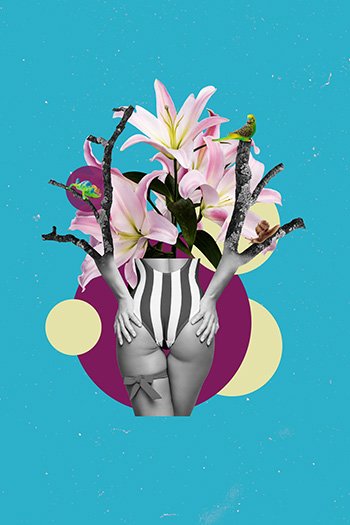
At UnFStoppable, that’s exactly what draws us to Popular Art Photography. We take real, empowering portraits and layer in digital compositing…textures, graphics, subtle nods to pop culture…to create art that’s polished enough for an office wall but soulful enough to stop you in your tracks. It’s Pop Art evolved: still celebrating the everyday (your confidence, your spark), still blurring lines (professional meets personal), and still making you feel seen in a world that’s louder and faster than ever.
Pop Art started as a wink at consumerism; now it’s a celebration of individuality in a sea of screens. It reminds us that the ordinary can be extraordinary—and that art doesn’t have to be distant to be powerful.
If this history lights a spark for you, imagine what we could create together. What’s a modern “everyday icon” you’d want turned into art?